Best High-Protein Foods
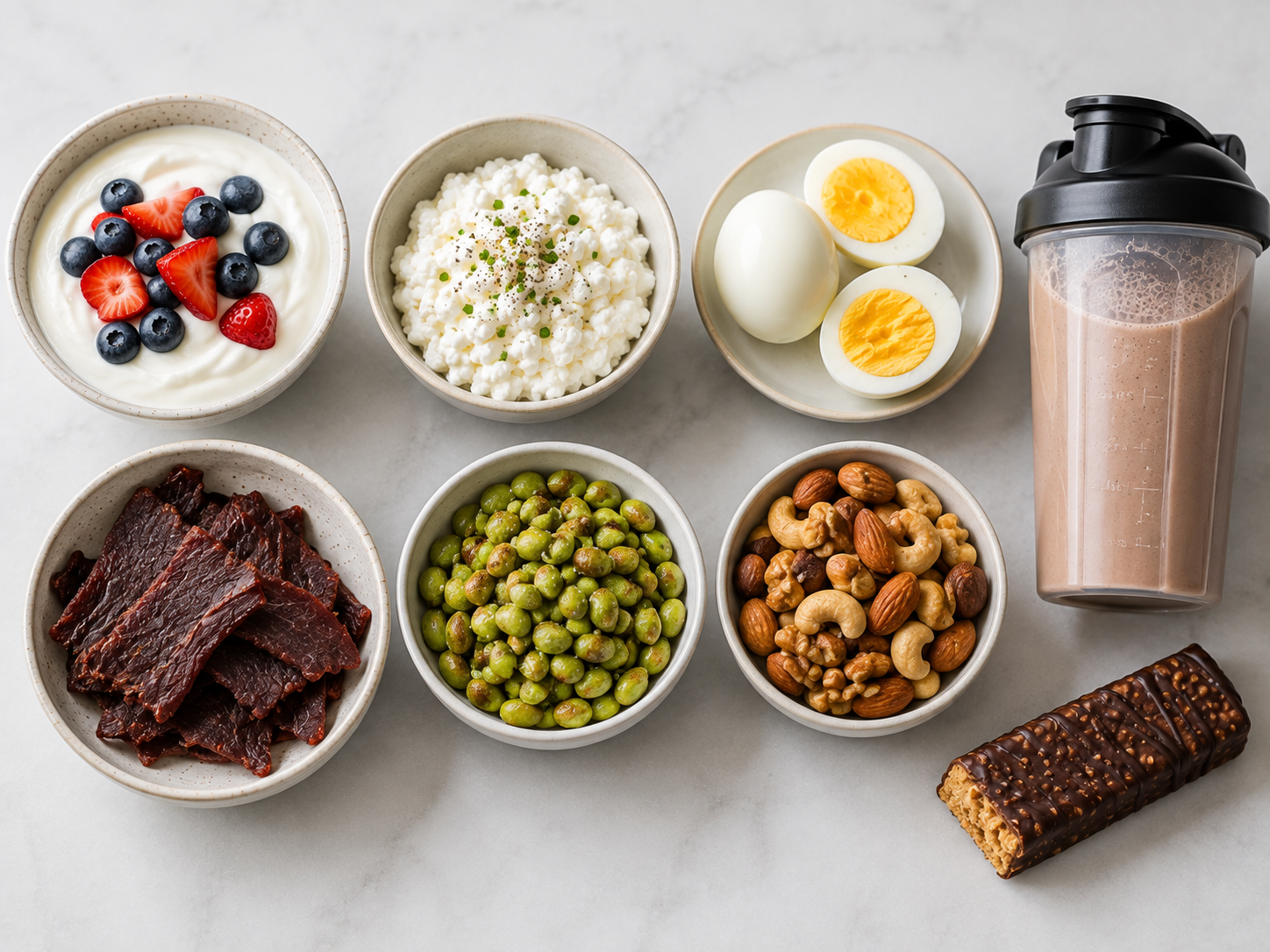
Protein is essential for building muscle, supporting recovery and maintaining overall health. However, not all protein sources offer the same nutritional value. Some foods provide complete, high-quality protein with essential vitamins and minerals, while others are ideal for increasing your daily protein intake with fewer calories.
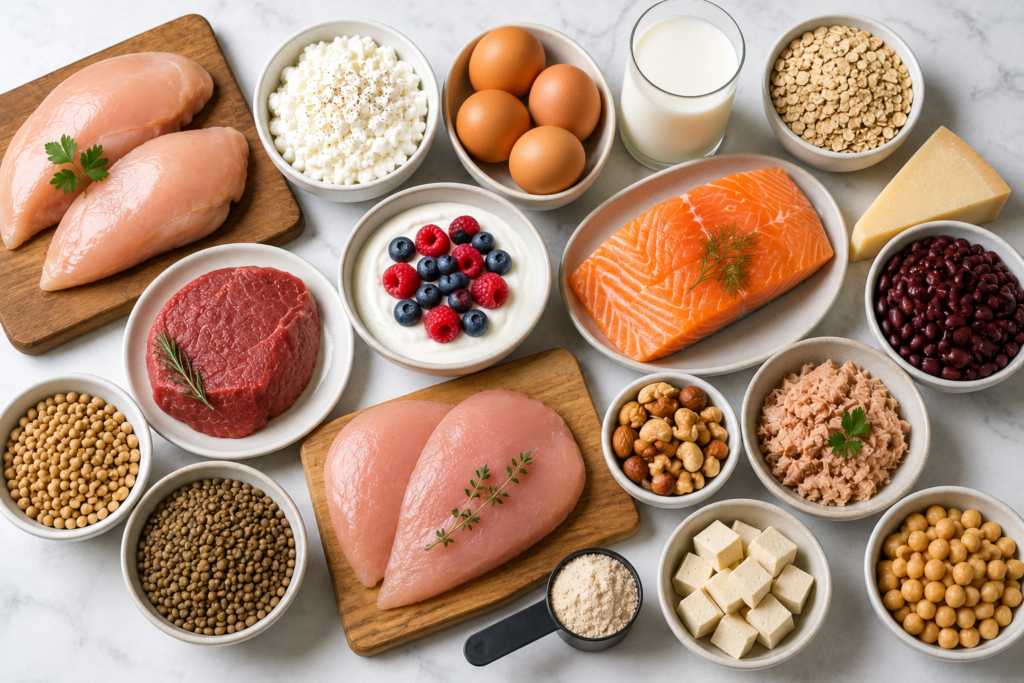
In this guide, you’ll discover the best high-protein foods, compare animal and plant-based protein sources, learn which options are best for muscle gain and fat loss, and find practical ways to include more protein in your daily meals.
What Are High-Protein Foods?
lorie content. They help your body build and repair muscle, support recovery after exercise and contribute to many essential functions, including hormone production, immune health and tissue maintenance.
The best high-protein foods are not only rich in protein but also provide other valuable nutrients such as vitamins, minerals and healthy fats. By including a variety of protein sources in your diet, you can meet your daily protein needs while supporting overall health and long-term fitness goals.
High-protein foods are foods that provide a large amount of protein relative to their serving size or calorie content. They play a key role in building and maintaining muscle, supporting recovery, promoting satiety and contributing to overall health.
The main categories of high-protein foods include:
- 🥩 Lean Meat & Poultry
- 🐟 Fish & Seafood
- 🥚 Eggs & Dairy Products
- 🌱 Plant-Based Protein Foods
- 🥤 Protein Supplements
Lean Meat & Poultry
Lean meat and poultry are among the best high-protein foods because they provide a large amount of complete protein while remaining relatively low in fat. They contain all nine essential amino acids needed to support muscle growth, recovery and overall health, making them an excellent choice for athletes and anyone looking to increase their protein intake.
In addition to their high protein content, lean meats are rich in important nutrients such as iron, zinc and B vitamins, which play key roles in energy production and immune function. Choosing lean cuts can help maximize protein intake while keeping calories and saturated fat under control.
Best Lean Meat & Poultry
| Food | Protein (per 100 g) | Calories |
|---|---|---|
| Chicken Breast | 23 g | 110 kcal |
| Turkey Breast | 23 g | 104 kcal |
| Lean Beef (5% Fat) | 21 g | 127 kcal |
| Pork Tenderloin | 22 g | 120 kcal |
Chicken Breast
Chicken breast is one of the most popular high-protein foods thanks to its excellent protein-to-calorie ratio. It’s versatile, affordable and easy to prepare, making it ideal for meal prep, muscle gain and fat loss diets.
Turkey Breast
Turkey breast is another lean protein source that delivers high-quality protein with very little fat. It works well in sandwiches, salads, wraps and warm meals while providing essential nutrients like niacin and selenium.
Lean Beef
Lean beef provides complete protein along with highly bioavailable iron, zinc and vitamin B12. Choosing lean cuts allows you to enjoy its nutritional benefits while keeping saturated fat intake moderate.
Pork Tenderloin
Pork tenderloin is one of the leanest cuts of pork and an excellent source of complete protein. It is rich in B vitamins and can be grilled, roasted or pan-seared as part of a balanced high-protein meal.
Quick Tip
Choose minimally processed lean meats whenever possible and prepare them using healthy cooking methods such as grilling, baking or air frying instead of deep frying.
Fish & Seafood
Fish and seafood are excellent sources of high-quality protein while also providing a variety of essential nutrients. Many types of fish are rich in omega-3 fatty acids, which support heart health, brain function and recovery, making them a valuable addition to a balanced high-protein diet.
Whether your goal is building muscle, losing fat or simply improving your nutrition, fish and seafood offer a lean, nutrient-dense alternative to red meat. Including a variety of seafood in your diet can also help increase your intake of vitamins and minerals such as vitamin D, iodine and selenium.
Best Fish & Seafood
| Food | Protein (per 100 g) | Calories |
|---|---|---|
| Tuna | 24 g | 109 kcal |
| Salmon | 20 g | 208 kcal |
| Shrimp | 24 g | 99 kcal |
| Cod | 18 g | 82 kcal |
Tuna
Tuna is one of the highest-protein fish available and is naturally low in fat and calories. Fresh or canned tuna makes a convenient choice for salads, sandwiches and quick high-protein meals.
Salmon
Salmon provides high-quality protein together with heart-healthy omega-3 fatty acids. Although it contains more calories than lean white fish, its healthy fats make it an excellent option for overall health and recovery.
Shrimp
Shrimp is a lean seafood option that delivers an impressive amount of protein with very few calories. It is also a good source of selenium, iodine and vitamin B12, making it a nutritious addition to many meals.
Cod
Cod is a mild-flavored white fish that offers plenty of protein while remaining very low in fat and calories. It is ideal for anyone looking for a lean protein source that pairs well with vegetables, rice or potatoes.
Quick Tip
Aim to include fish in your meals at least once or twice per week to increase your intake of high-quality protein and beneficial omega-3 fatty acids.
Eggs & Dairy Products
Eggs and dairy products are among the most versatile high-protein foods. They provide complete, high-quality protein along with essential nutrients such as calcium, vitamin B12 and phosphorus, making them an excellent choice for muscle growth, recovery and overall health.
Many dairy products also offer an excellent protein-to-calorie ratio, especially low-fat options like Greek yogurt, cottage cheese and skyr. Combined with eggs, they make convenient choices for breakfast, snacks and post-workout meals.
Best Eggs & Dairy Products
| Food | Protein (per 100 g) | Calories |
|---|---|---|
| Low-Fat Quark | 12 g | 67 kcal |
| Cottage Cheese | 11 g | 81 kcal |
| Skyr | 11 g | 63 kcal |
| Greek Yogurt (Plain, Non-Fat) | 10 g | 59 kcal |
| Eggs | 13 g | 143 kcal |
| Low-Fat Milk (1.5%) | 3.4 g | 47 kcal |
Low-Fat Quark
Low-fat quark is one of the highest-protein dairy products available. It is low in fat, highly versatile and ideal for breakfast, snacks, desserts or post-workout meals.
Cottage Cheese
Cottage cheese provides a rich source of slow-digesting casein protein, making it an excellent choice for promoting satiety and supporting muscle recovery throughout the day.
Skyr
Skyr is a thick Icelandic dairy product that is naturally high in protein and low in fat. Its creamy texture and mild flavor make it a popular option for healthy breakfasts and snacks.
Greek Yogurt
Plain Greek yogurt is packed with protein while remaining relatively low in calories. It pairs well with fruit, oats or nuts and can also be used as a healthy substitute for higher-fat ingredients in recipes.
Eggs
Eggs are one of the most complete and nutrient-dense protein sources available. In addition to high-quality protein, they provide healthy fats, choline and several important vitamins and minerals.
Low-Fat Milk
Low-fat milk contains less protein per 100 grams than other dairy products, but it remains a convenient way to increase your daily protein intake. It also provides calcium and vitamin D, making it a great addition to smoothies, oatmeal and protein shakes.
Quick Tip
Choose plain, low-fat dairy products whenever possible to maximize protein intake while keeping added sugars and excess calories to a minimum.
Plant-Based Protein Foods
Plant-based protein foods are an excellent choice for vegetarians, vegans and anyone looking to add more variety to their diet. While some plant proteins contain lower amounts of certain essential amino acids than animal-based foods, eating a diverse range of protein-rich plant foods throughout the day easily supports your body’s protein needs.
In addition to protein, many plant-based foods are naturally rich in fiber, vitamins, minerals and antioxidants. This combination supports digestive health, heart health and long-term well-being while helping you meet your daily protein target.
Best Plant-Based Protein Foods
| Food | Protein (per 100 g) | Calories |
|---|---|---|
| Tempeh | 20 g | 193 kcal |
| Firm Tofu | 17 g | 144 kcal |
| Edamame | 12 g | 121 kcal |
| Lentils (Cooked) | 9 g | 116 kcal |
| Chickpeas (Cooked) | 8.9 g | 164 kcal |
| Black Beans (Cooked) | 8.9 g | 132 kcal |
Tempeh
Tempeh is one of the richest plant-based protein sources available. Made from fermented soybeans, it provides complete protein along with fiber, iron and other essential nutrients, making it an excellent meat alternative.
Firm Tofu
Firm tofu is a versatile protein source that easily absorbs the flavors of different seasonings and sauces. It’s rich in complete protein and works well in stir-fries, salads, curries and meal prep recipes.
Edamame
Edamame are young soybeans that provide a generous amount of protein, fiber and important micronutrients. They make a nutritious snack or side dish and can easily be added to salads, grain bowls and pasta dishes.
Lentils
Lentils are an affordable and nutrient-dense source of plant protein. They are also high in fiber, iron and folate, making them an excellent choice for soups, curries and meal prep.
Chickpeas
Chickpeas combine protein with complex carbohydrates and fiber to create filling, nutritious meals. They are commonly used in salads, roasted snacks, stews and homemade hummus.
Black Beans
Black beans provide a balanced combination of protein, fiber and essential minerals. They are a staple ingredient in many healthy meals, including burrito bowls, chili and salads.
Quick Tip
Include a variety of plant-based protein foods throughout the week to increase your intake of protein, fiber and essential micronutrients while adding more diversity to your meals.
Protein Supplements
Protein supplements are a convenient way to increase your daily protein intake, especially when it’s difficult to meet your protein needs through whole foods alone. They are quick to prepare, easy to transport and can be particularly useful after workouts or during busy days.
However, protein supplements should complement a balanced diet rather than replace it. Whole foods provide additional nutrients such as vitamins, minerals, healthy fats and fiber that are essential for overall health. For most people, supplements are simply a practical tool to help reach their daily protein goals more consistently.
Best Protein Supplements
| Supplement | Protein (per 100 g) | Best For |
|---|---|---|
| Whey Protein | 85–90 g | Muscle growth & recovery |
| Casein Protein | 78–82 g | Overnight recovery |
| Plant Protein Blend | 70–80 g | Vegan & dairy-free diets |
Whey Protein
Whey protein is one of the most popular and well-researched protein supplements. It is rapidly digested, rich in essential amino acids and particularly high in leucine, making it an excellent choice for supporting muscle growth and post-workout recovery.
Casein Protein
Casein protein is digested more slowly than whey, providing a steady release of amino acids over several hours. This makes it a popular option between meals or before bed to help support muscle recovery overnight.
Plant Protein Blend
Plant protein blends combine ingredients such as pea, rice and hemp protein to provide a more complete amino acid profile. They are an excellent option for vegans, people with dairy intolerance or anyone looking for a plant-based alternative.
Quick Tip
Use protein supplements for convenience—not as a replacement for whole foods. Prioritize a balanced diet first, and use supplements only when they help you meet your daily protein goal.
How to Choose the Best High-Protein Foods
Not all high-protein foods are equally suited to every goal. While some options provide the highest amount of protein with very few calories, others offer additional nutrients such as healthy fats, fiber or essential vitamins and minerals. Choosing the right protein sources depends on your personal preferences, dietary needs and fitness goals.
Instead of focusing on a single „perfect“ food, aim to include a variety of high-quality protein sources throughout the week. This helps ensure you meet your daily protein target while enjoying a balanced and nutritious diet.
Prioritize Whole Foods
Whole-food protein sources such as lean meat, fish, eggs, dairy products, legumes and tofu should form the foundation of a high-protein diet. They provide not only protein but also a wide range of essential nutrients that support overall health.
Consider the Protein-to-Calorie Ratio
If your goal is fat loss, choose foods that provide a high amount of protein with relatively few calories. Options such as chicken breast, low-fat quark, Greek yogurt, tuna and shrimp are excellent choices for maximizing protein intake while managing calories.
Match Your Choice to Your Goals
The best high-protein foods depend on your individual goals. For muscle gain, prioritize a combination of protein and nutrient-dense foods that support recovery and growth. During fat loss, focus on lean protein sources that help preserve muscle while keeping you full for longer.
Choose Foods You Enjoy
The most effective high-protein diet is one you can maintain consistently. Select protein-rich foods that fit your taste preferences, cooking skills and lifestyle. Building sustainable habits is far more important than following a restrictive meal plan.
Quick Tip
Quick Takeaway
The best high-protein foods are the ones that help you consistently meet your daily protein needs while fitting your lifestyle, preferences and long-term fitness goals.
Frequently Asked Questions
Final Thoughts
Choosing the best high-protein foods doesn’t have to be complicated. By focusing on a variety of high-quality protein sources—including lean meats, fish, eggs, dairy products, plant-based foods and protein supplements—you can easily meet your daily protein needs while supporting your overall health and fitness goals.
Remember that no single food is „the best“ for everyone. The ideal protein sources are those that fit your lifestyle, preferences and nutritional needs while helping you stay consistent over the long term.
Whether your goal is building muscle, losing fat or simply improving your nutrition, making protein a priority at every meal is one of the simplest and most effective steps you can take.
Looking for more high-protein nutrition tips?
Explore our related guides below to discover healthy meal ideas, meal prep strategies and practical advice for building a sustainable high-protein diet.
Related Guides
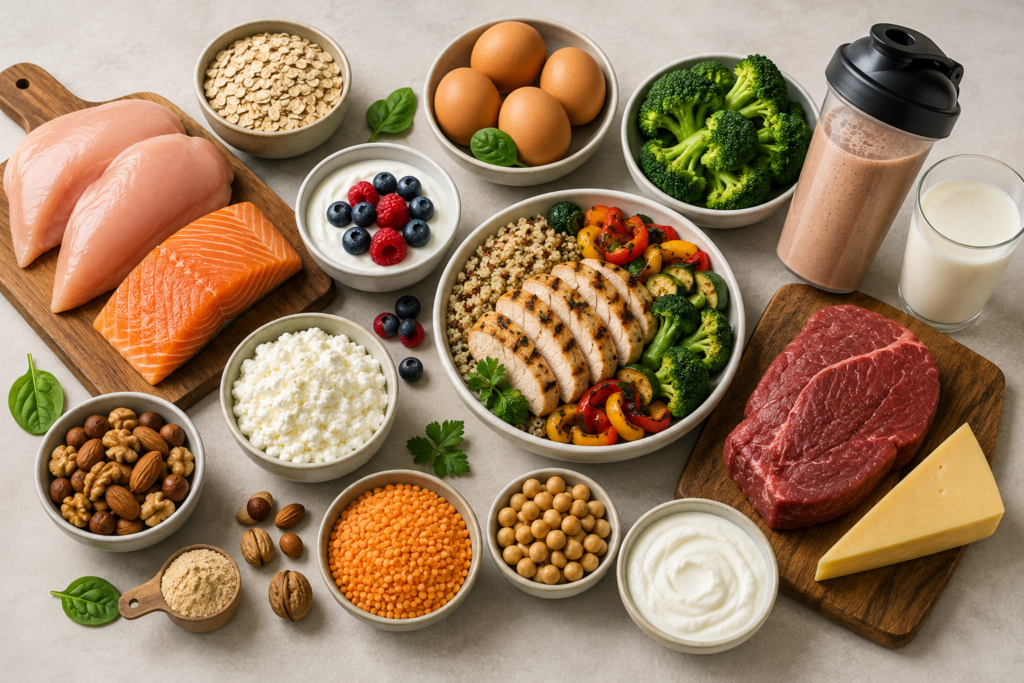
The Ultimate High-Protein Meal Guide
Learn everything you need to build a sustainable high-protein diet, meet your protein goals and support long-term health.