
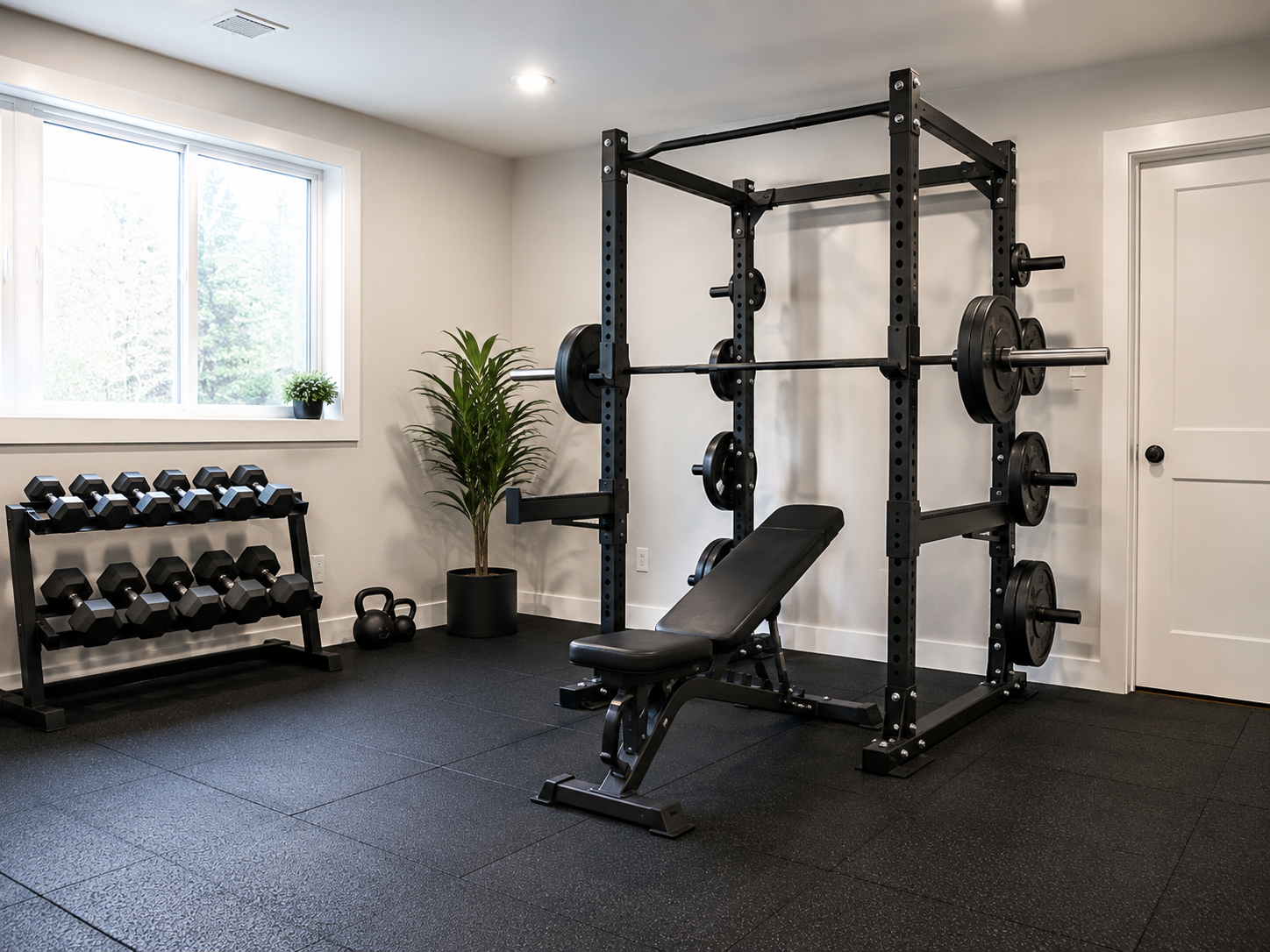
Best Home Gym Flooring for Every Setup (2026)
Good flooring is one of the easiest parts of a home gym to overlook—and one of the most frustrating to replace later. The right surface protects your floor, reduces noise, improves stability, and makes the entire training space feel more professional.
After years of strength training, I would always plan the flooring before bringing in a power rack, bench, or heavy weights. In this guide, I’ll explain which flooring types are actually worth considering, where each option works best, and what I would choose for different home gym setups.
Quick Verdict
For most home gyms, I recommend high-density rubber flooring because it offers the best balance of durability, grip, noise reduction, and floor protection. Rubber tiles are usually the easiest option for smaller rooms, while heavy-duty rolls make more sense for larger, permanent gym spaces.
If you only train with lighter dumbbells or bodyweight exercises, thinner interlocking tiles may be enough. For heavy squats, deadlifts, and power racks, I would choose a thicker and denser surface rather than trying to save money on the flooring.
Why Home Gym Flooring Matters More Than You Think
When people build their first home gym, they usually focus on equipment like dumbbells, benches, or power racks. Flooring often becomes an afterthought. In my opinion, that’s one of the biggest mistakes beginners make.
The right flooring doesn’t just protect your existing floor. It also creates a safer training environment, reduces noise, improves equipment stability, and gives your gym a much more professional look. It’s one of those investments you’ll appreciate every single workout.
Protect Your Floor
Heavy weights, barbells, and gym equipment can quickly damage hardwood, laminate, or tiled floors. Even if you never drop a loaded barbell, simply moving a bench or rolling heavy equipment across the floor can leave scratches and dents over time.
Quality rubber flooring creates a protective barrier that helps prevent expensive repairs while extending the life of both your floor and your equipment.
Reduce Noise And Vibration
One of the biggest advantages of rubber flooring is noise reduction. Every rep, every dumbbell set-down, and every footstep becomes quieter.
This is especially important if your gym is located in a garage, basement, upstairs room, or shared living space where vibration can easily travel through the building.
Improve Stability
A stable surface makes every exercise feel better. Benches wobble less, power racks sit more securely, and your footing during heavy lifts becomes more consistent.
Good flooring won’t magically improve your squat, but it provides the solid foundation every strength athlete needs.
Create A Better Training Environment
This is something many buyers underestimate. High-quality flooring instantly makes a home gym feel cleaner, more organized, and more motivating.
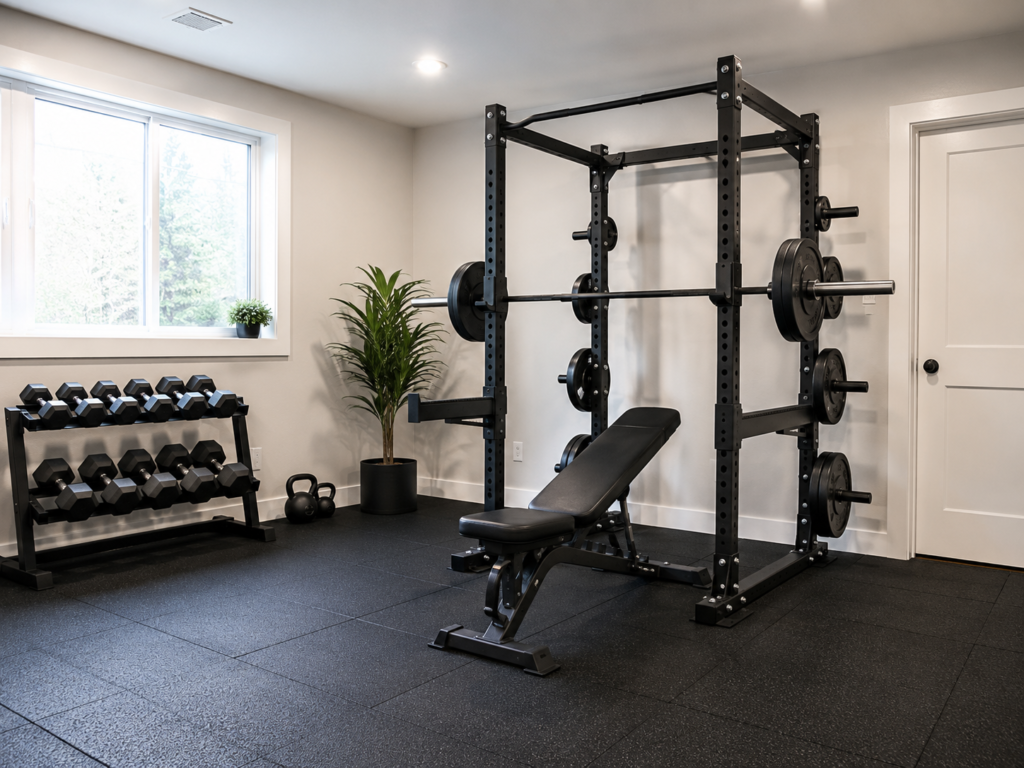
Personally, I think flooring is one of the upgrades that delivers the biggest visual transformation for the money. Even a basic setup looks far more professional once it’s built on proper rubber flooring.
💡 My Take
If I were building a home gym today, I’d budget for quality flooring from the very beginning instead of treating it as an upgrade later. Replacing damaged flooring is usually far more expensive than protecting it properly from day one.
Types of Home Gym Flooring
Not all gym flooring is created equal. The best option depends on your training style, available space, budget, and whether your gym is temporary or permanent.
Below are the most common home gym flooring options, along with their strengths, weaknesses, and the situations where I think each one makes the most sense.
Rubber Tiles
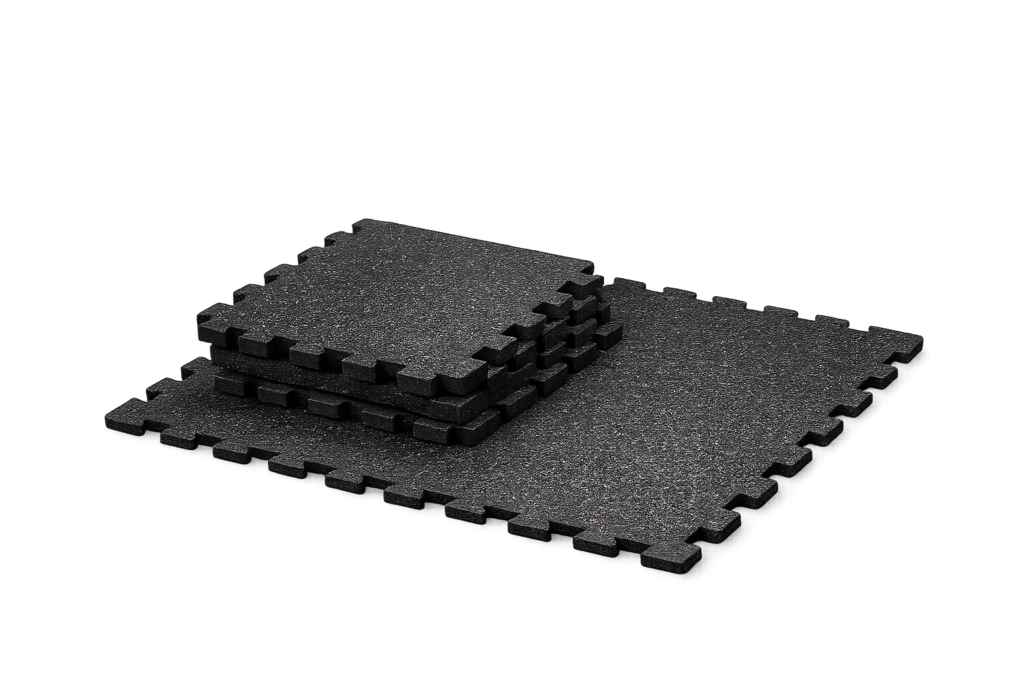
Rubber tiles are the most popular choice for home gyms—and for good reason. They’re easy to install, durable, and allow you to replace individual tiles if one ever becomes damaged.
I especially like rubber tiles for garages, basements, and spare rooms because they offer an excellent balance between protection, flexibility, and price. They’re also ideal if you plan to expand your gym over time.
Pros
Cons
Best for
Most home gym owners, beginners, and anyone building a versatile home gym.
Rubber Rolls
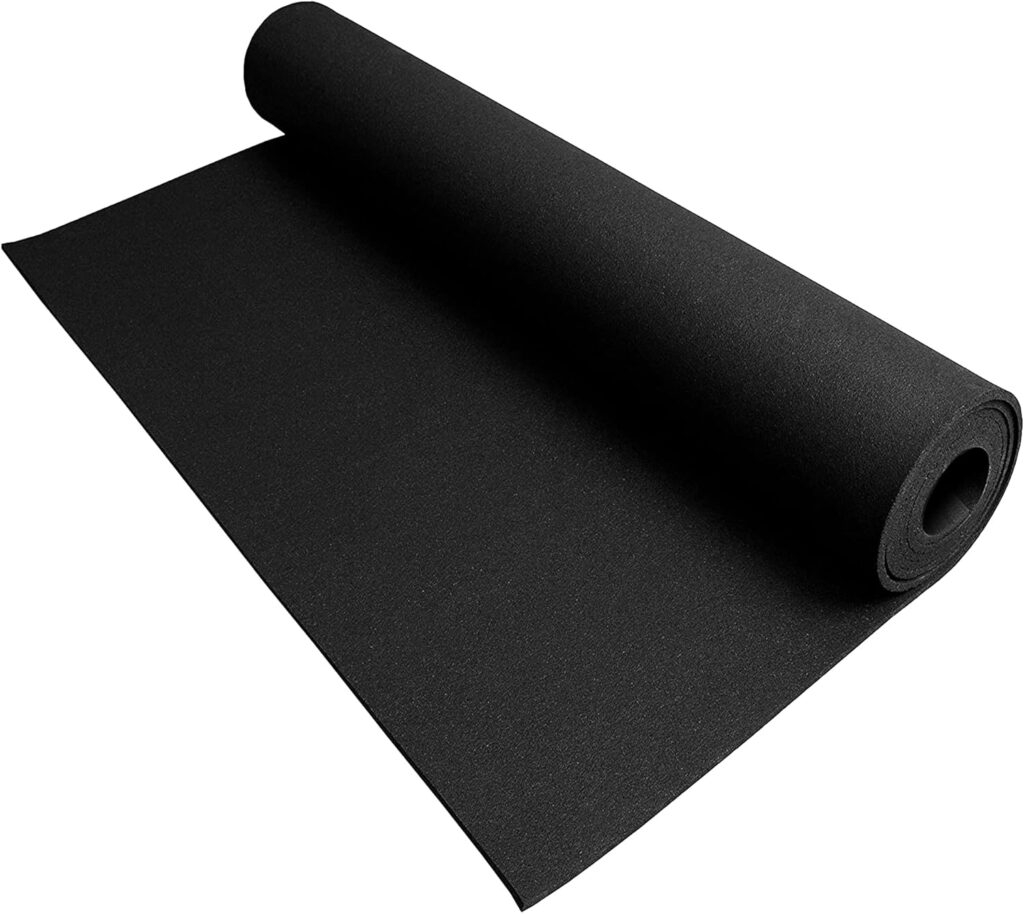
Rubber rolls create a cleaner and more seamless look than individual tiles. They’re commonly used in commercial gyms because they provide a continuous surface with fewer gaps.
If you’re building a dedicated training room and don’t plan to move your equipment often, rubber rolls are an excellent long-term solution.
Pros
Cons
Best for
Dedicated home gyms and larger training spaces.
💡 My Take
If I were building a permanent garage gym today, I’d choose rubber rolls. For almost every other setup, I think rubber tiles offer the better balance of flexibility, easier installation, and long-term value.
Horse Stall Mats
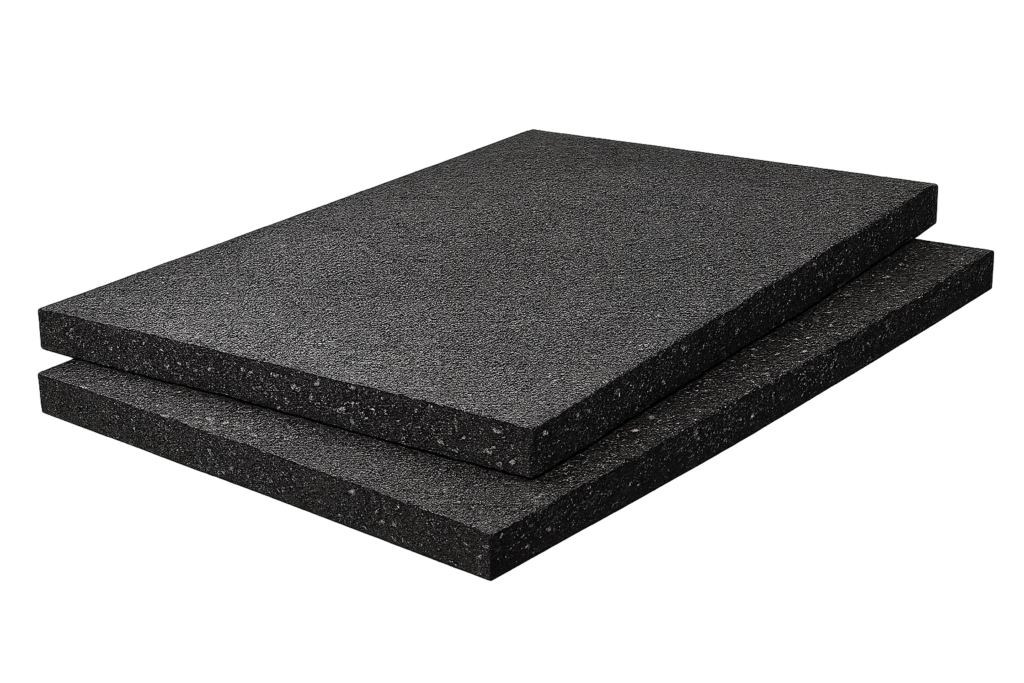
Horse stall mats have become incredibly popular among home gym owners because they’re thick, extremely durable, and often more affordable than premium gym flooring.
While they aren’t designed specifically for fitness, they perform exceptionally well under heavy power racks and deadlift platforms.
Pros
Cons
Best for
Heavy strength training and garage gyms.
Foam Tiles (EVA)
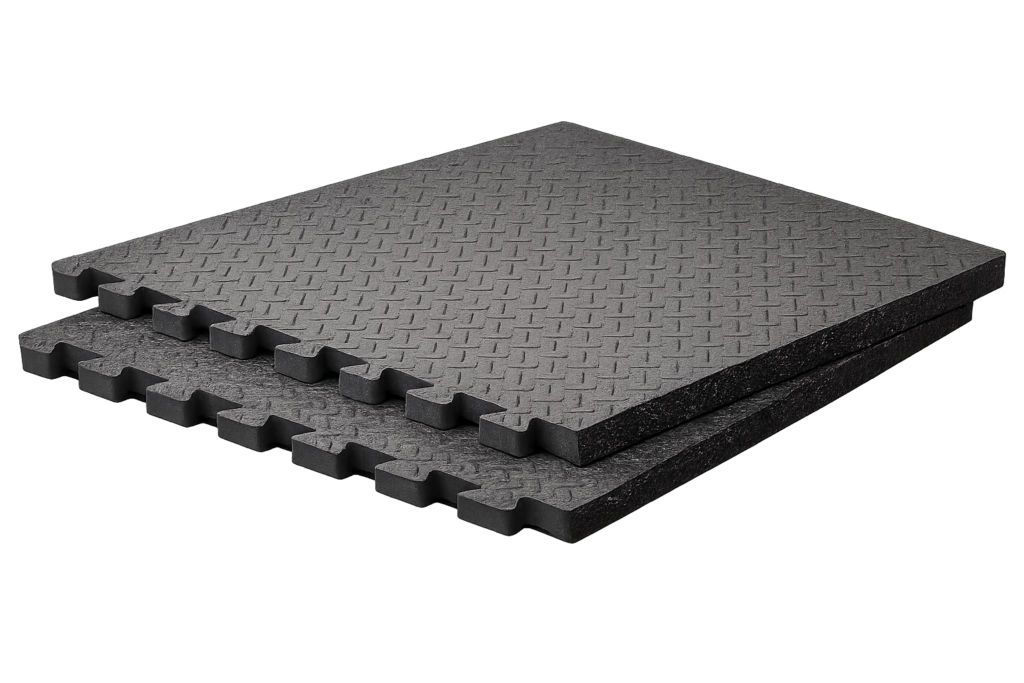
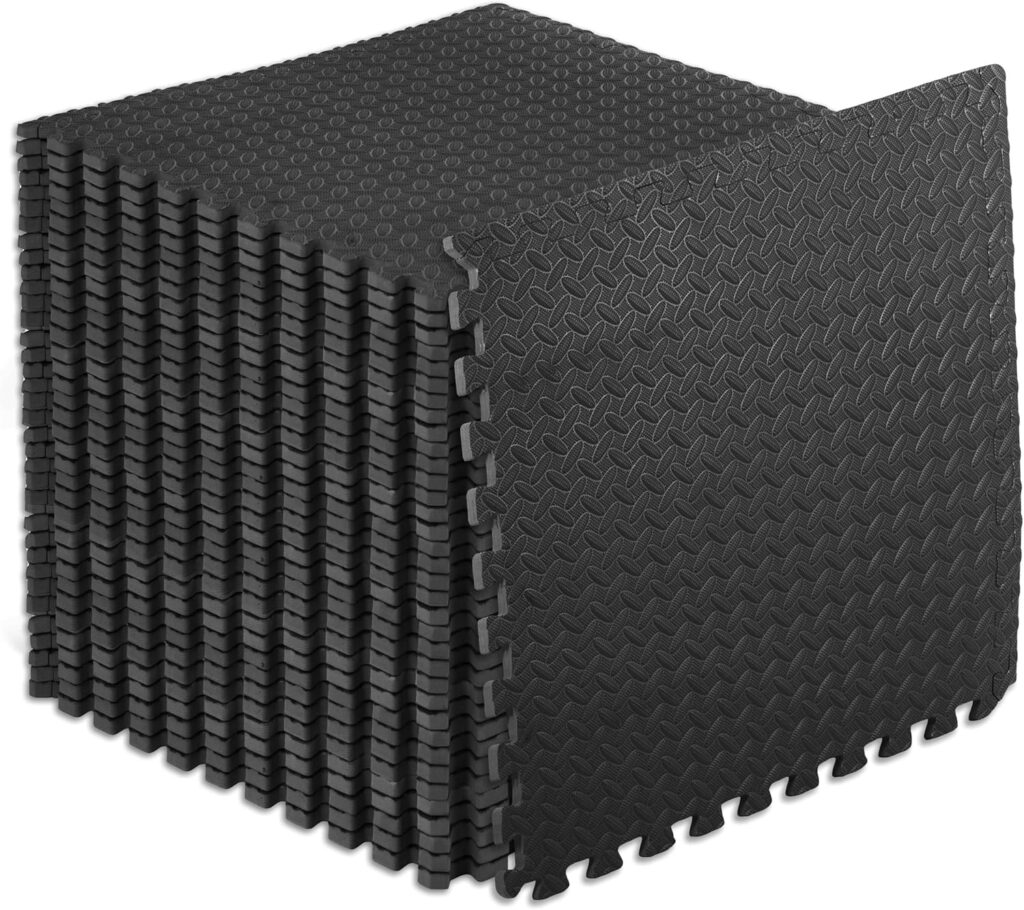
Foam tiles are lightweight, inexpensive, and comfortable to walk on. They’re often marketed as home gym flooring, but I wouldn’t recommend them for serious strength training.
While they’re perfectly fine for stretching, yoga, or bodyweight workouts, heavy benches, dumbbells, and power racks can leave permanent dents.
Pros
Cons
Best for
Yoga, mobility work, and light home workouts.
Carpet or Bare Concrete
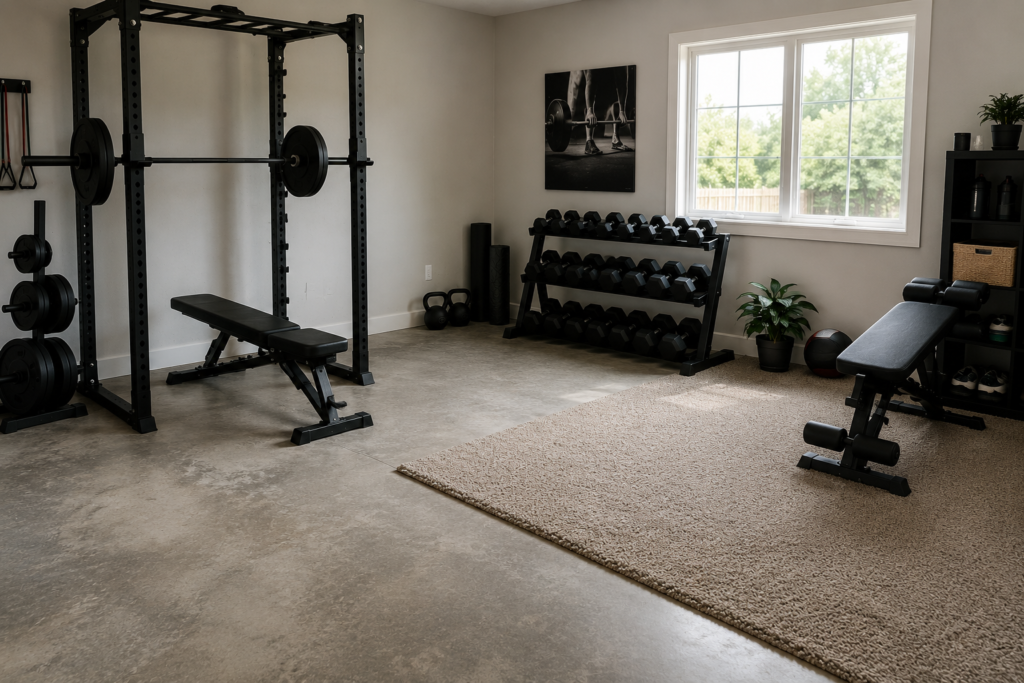
Existing carpet or bare concrete might seem like an easy solution, but neither is ideal for a strength-focused home gym.
Carpet provides very little protection against heavy equipment, while bare concrete can damage both your floor and your weights over time.
Pros
Cons
Best for
Temporary setups only.
My Overall Recommendation
| Flooring Type | My Rating |
| 🥇 Rubber Tiles | Best Overall |
| 🥈 Rubber Rolls | Best Premium Option |
| 🥉 Horse Stall Mats | Best Budget Pick |
| Foam Tiles | Only for Light Training |
| Carpet | Not Recommended |
| Bare Concrete | Last Resort |
How Thick Should Home Gym Flooring Be?
The right flooring thickness depends on how you train and how much weight your floor needs to handle. While thicker isn’t always better, choosing flooring that’s too thin can lead to dents, reduced stability, and less protection over time.
For most home gyms, you don’t need the thickest option available. Instead, choose a thickness that matches your equipment and training style.
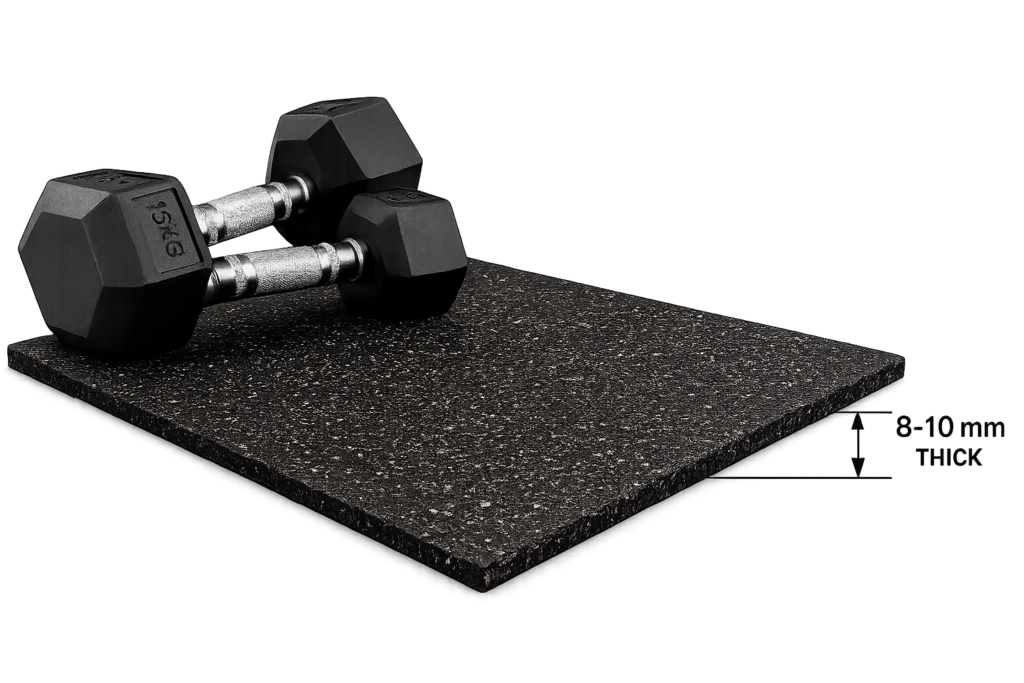
5/16 – 3/8 Inch (8-10 mm)
A thickness of around 3/8 inch works well for lighter home gym setups focused on dumbbells, bodyweight exercises, resistance bands, or cardio equipment.
It provides basic floor protection while keeping costs lower than thicker flooring options. However, I wouldn’t recommend it for heavy barbell training or permanent power rack setups, as repeated heavy loads can compress thinner flooring over time.
Best for
1/2 Inch (12 mm)
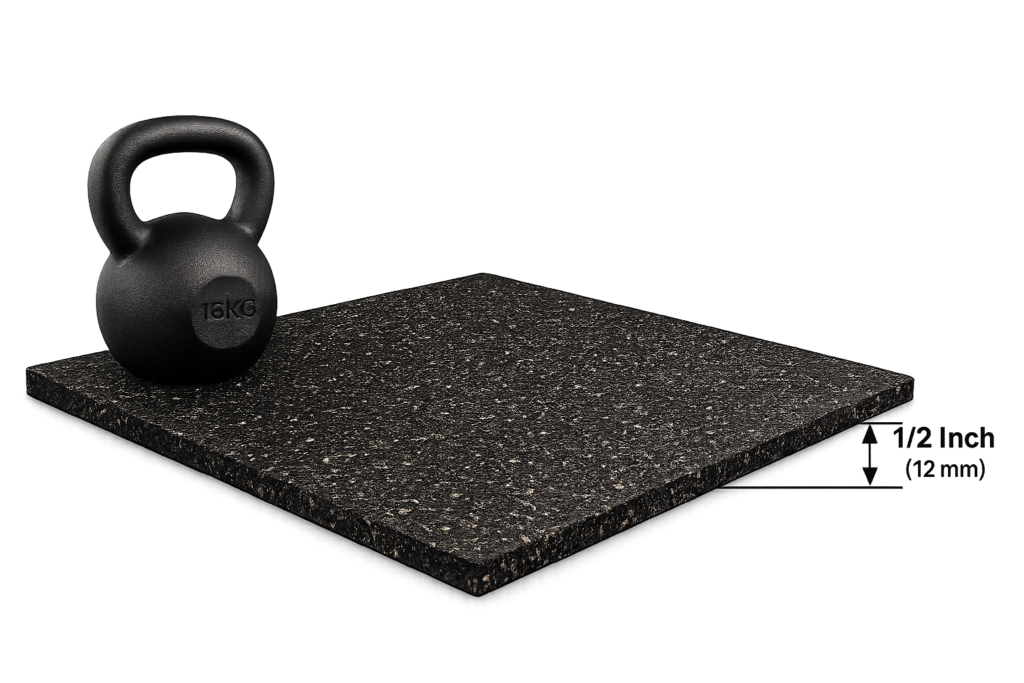
If someone asked me to recommend one flooring thickness for almost every home gym, this would be it.
Half-inch rubber flooring offers an excellent balance between durability, stability, comfort, and price. It’s thick enough for power racks, adjustable benches, barbells, and most strength training while still being relatively easy to install.
Unless you’re regularly dropping very heavy weights, this is the option I’d choose for the majority of home gym owners.
Best for
3/4 Inch (19 mm)
For serious strength athletes and garage gyms, thicker flooring provides the highest level of protection.
Three-quarter-inch rubber absorbs more impact, helps reduce vibration, and offers additional protection during heavy deadlifts or Olympic lifting. The downside is increased weight, higher cost, and more difficult installation.
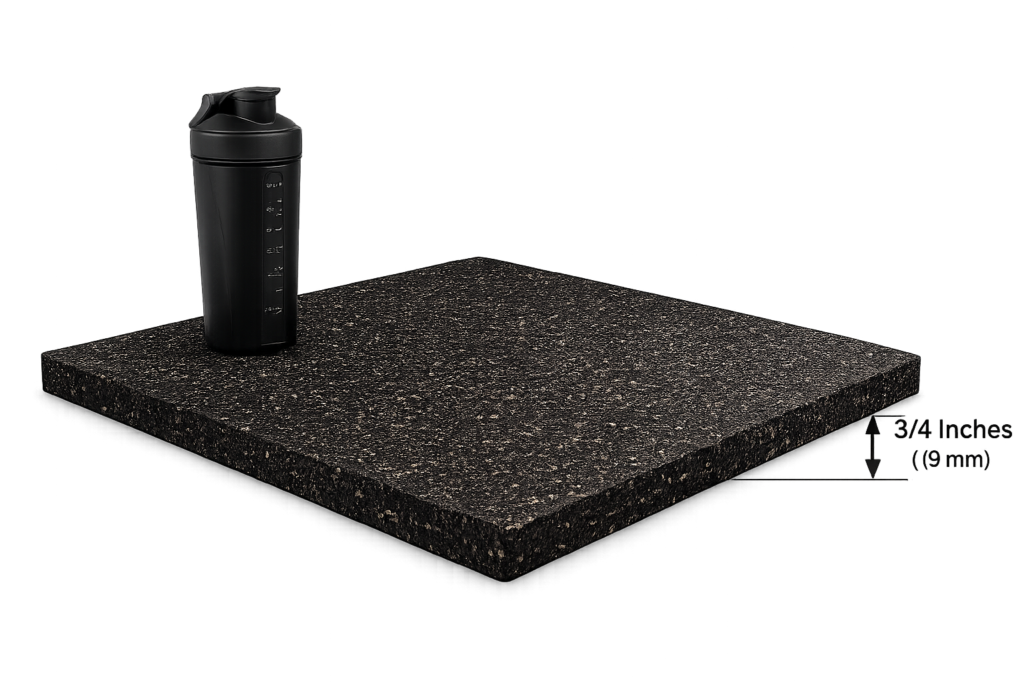
If your training revolves around lifting heavy several times a week, the extra thickness can absolutely be worth it.
Best for
💡 My Take
If I were building a typical home gym today, I’d choose 1/2-inch rubber flooring without hesitation. It provides more than enough protection for nearly every strength training setup while keeping installation simple and costs reasonable.
How Much Flooring Do You Actually Need?
One of the most common mistakes is buying either too much or too little flooring. Fortunately, estimating the right amount is fairly straightforward once you know how your equipment will be arranged.
Instead of covering the entire room immediately, I recommend starting with your main lifting area. You can always expand your flooring later if needed.
Small Home Gym
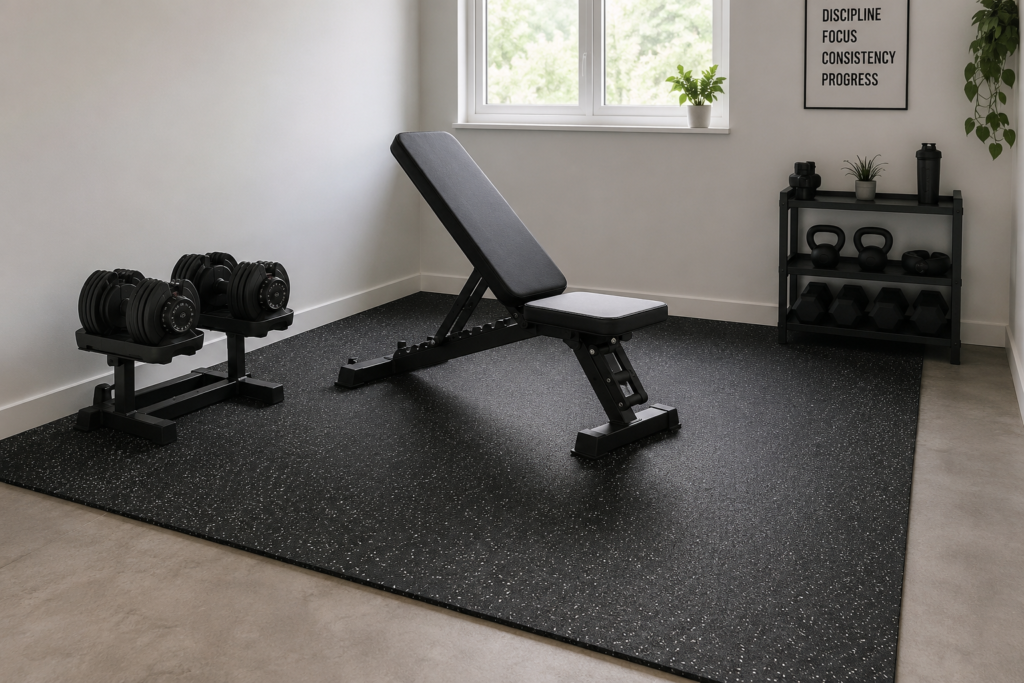
If your setup consists mainly of adjustable dumbbells, a bench, and a small workout area, approximately 4–6 m² of flooring is usually enough.
This creates sufficient space for pressing, rowing, mobility work, and general strength training.
Medium Home Gym
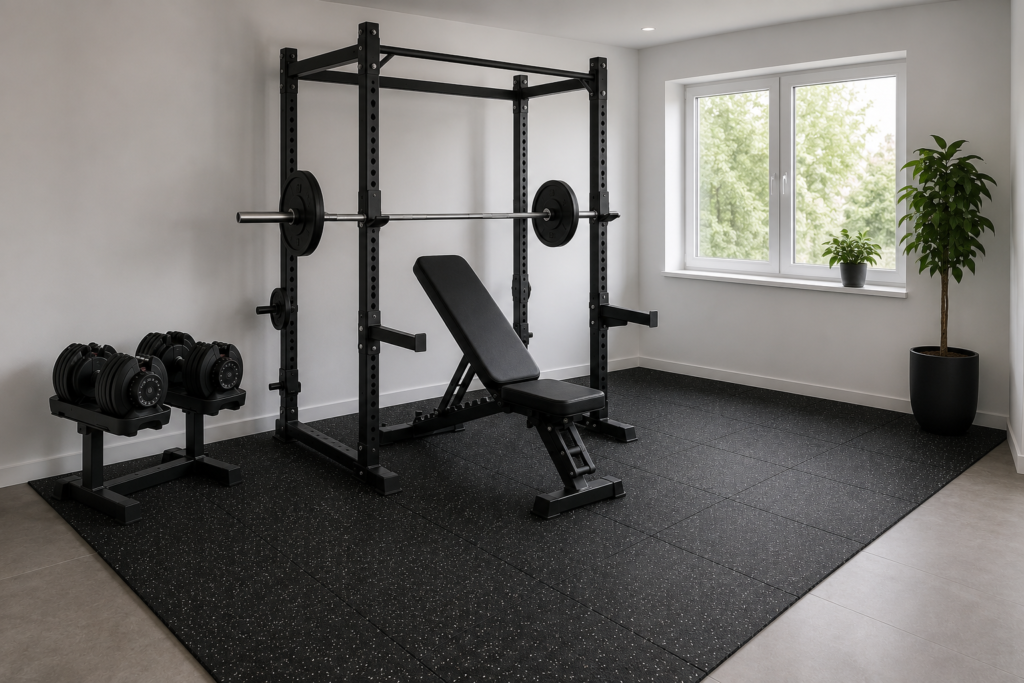
Once you add a power rack and barbell, you’ll want a larger lifting platform. Around 6–8 m² gives you enough room to move comfortably while keeping all major equipment on a protected surface.
Complete Home Gym
For larger setups that include a power rack, bench, dumbbells, storage, and additional accessories, I recommend planning for around 10–15 m² of flooring.
Covering the primary training area makes the gym feel more cohesive while protecting both your equipment and the floor underneath.
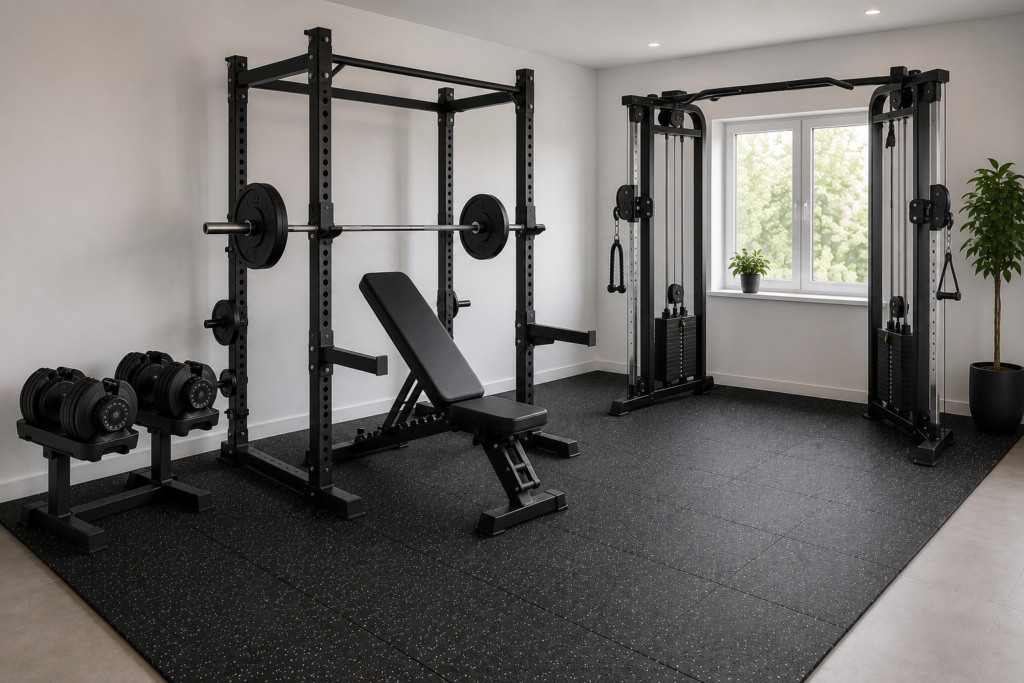
| Home Gym Setup | Recommended Flooring |
| Dumbbells + Bench | 4-6 m² (42-65 sq ft) |
| Power Rack Setup | 6-8 m² (64-86 sq ft) |
| Complete Home Gym | 10-15 m² (108-160 sq ft) |
💡 My Take
Many people assume they need to cover the entire room from day one. Personally, I’d rather invest in high-quality flooring for the main training area first and expand later if necessary.
My Top Home Gym Flooring Picks
After comparing durability, ease of installation, noise reduction, and overall value, these are the flooring options I’d recommend for most home gym owners.
Whether you’re building your first garage gym or upgrading an existing training space, each of these options offers excellent performance for its intended use.
🏆 Best Overall
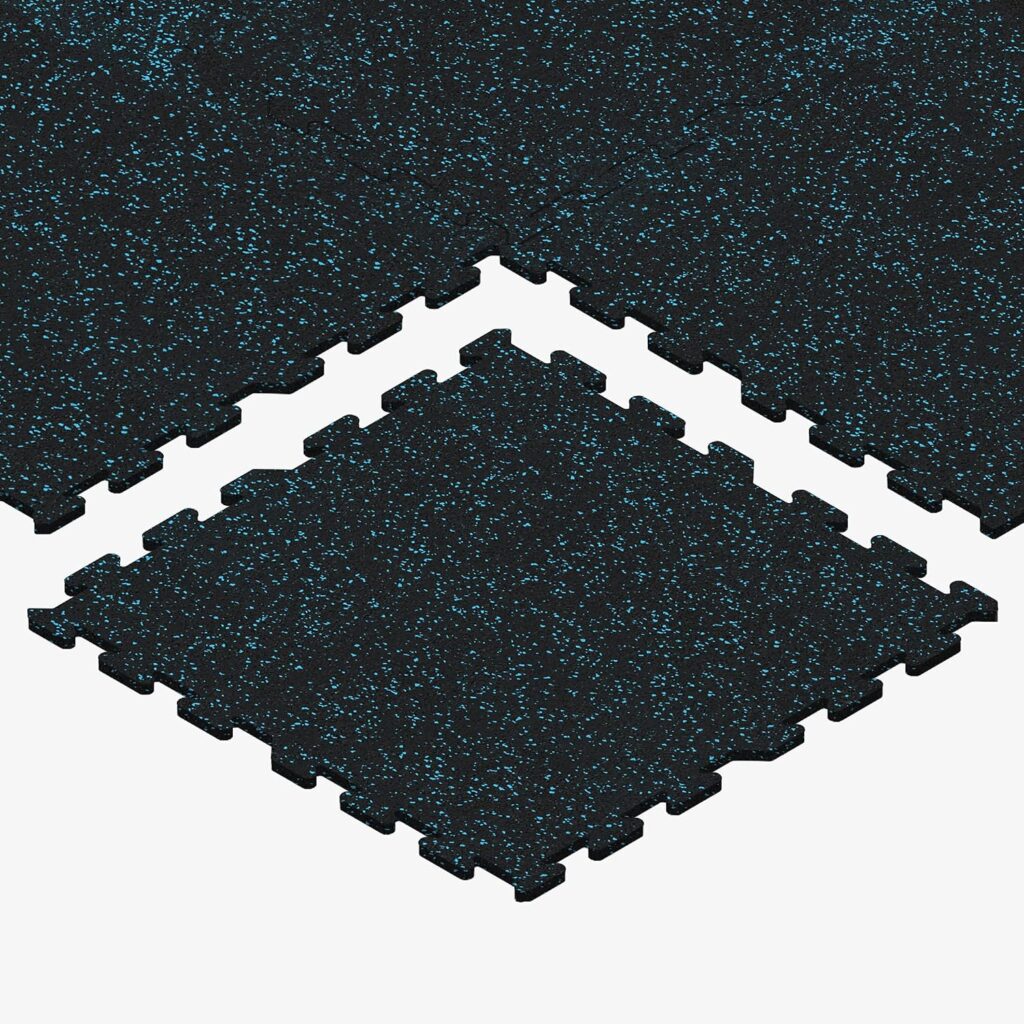
IncStores 8mm Tiles
⭐ Premium Pick
IncStores 12mm Roll
💰 Best Budget
ProsourceFit 12 mm Puzzle
Final Thoughts
Choosing the right flooring isn’t the most exciting part of building a home gym—but it’s one of the smartest long-term investments you can make.
Good flooring protects your equipment, reduces noise, improves stability, and creates a training space you’ll actually enjoy spending time in. In my experience, it’s one of those upgrades that makes the entire gym feel more complete.
If I were starting from scratch today, I’d prioritize quality flooring before adding unnecessary accessories. It’s much easier to build a great gym on a solid foundation than to replace damaged flooring later.
Build Your Perfect Home Gym
Looking for more equipment recommendations? Explore my complete buying guides for home gym essentials and discover the gear I’d recommend for every budget.
Related Articles
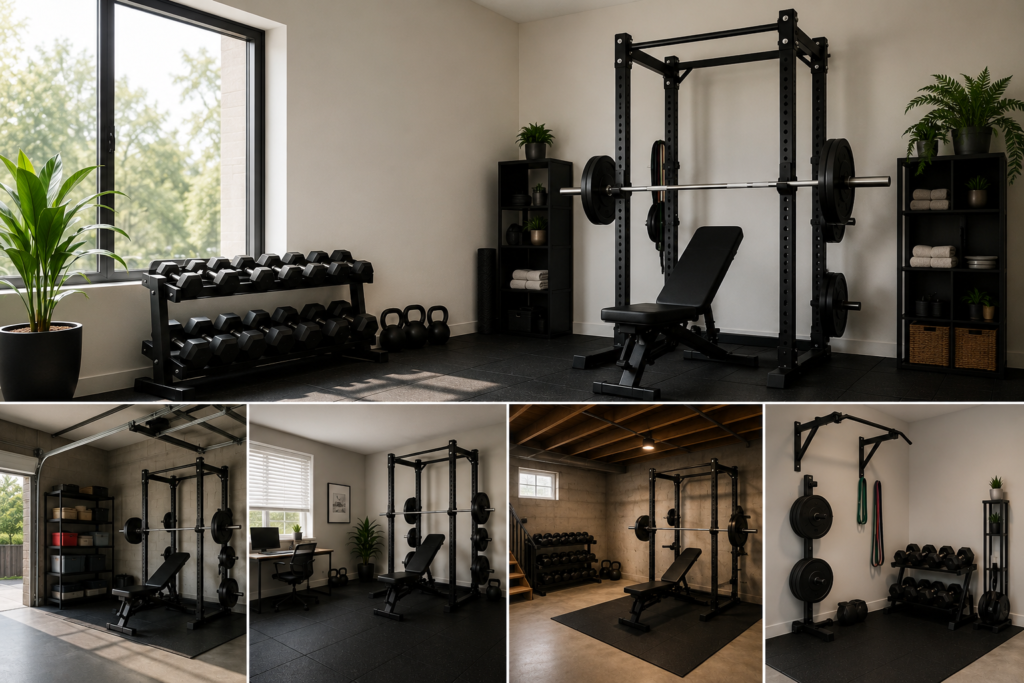
The Ultimate Home Gym Guide for Beginners
Learn how to compare adjustable dumbbells and choose the right pair for your training goals.
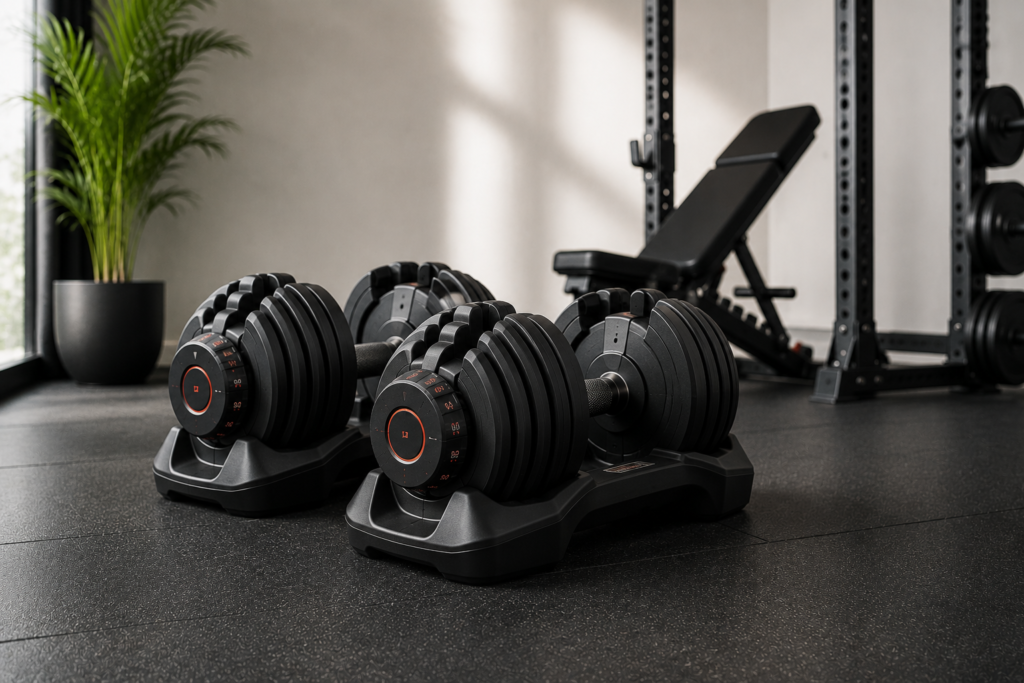
Best Adjustable Dumbbells for Home Gyms (2026)
Learn how to compare adjustable dumbbells and choose the right pair for your training goals.
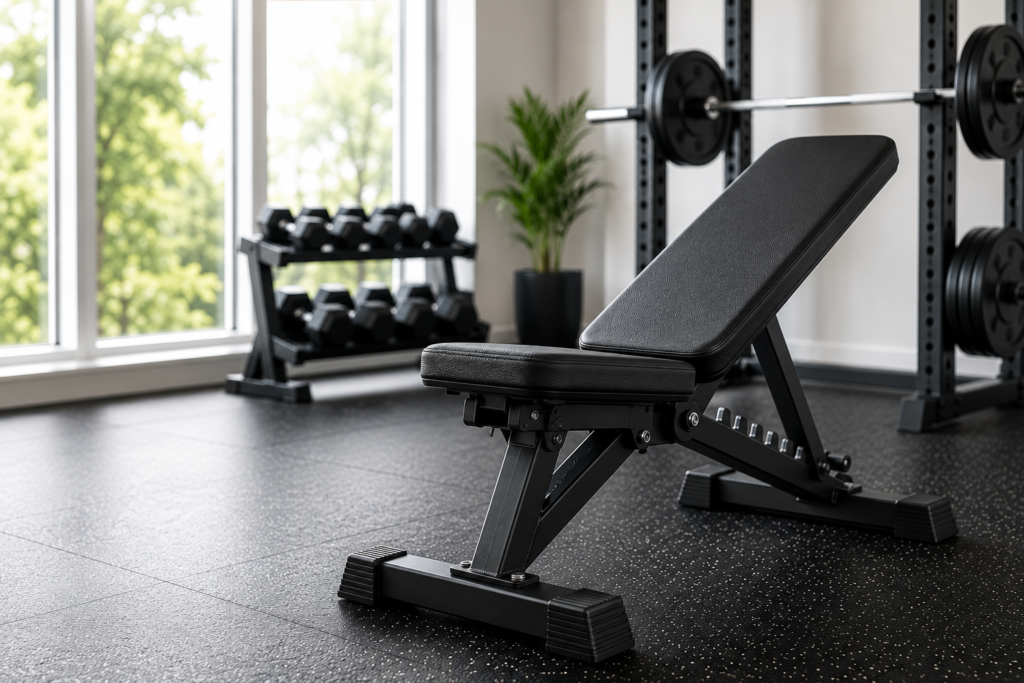
Best Weight Benches for Home Gyms (2026)
Compare the best weight benches to find the perfect fit for your home gym.
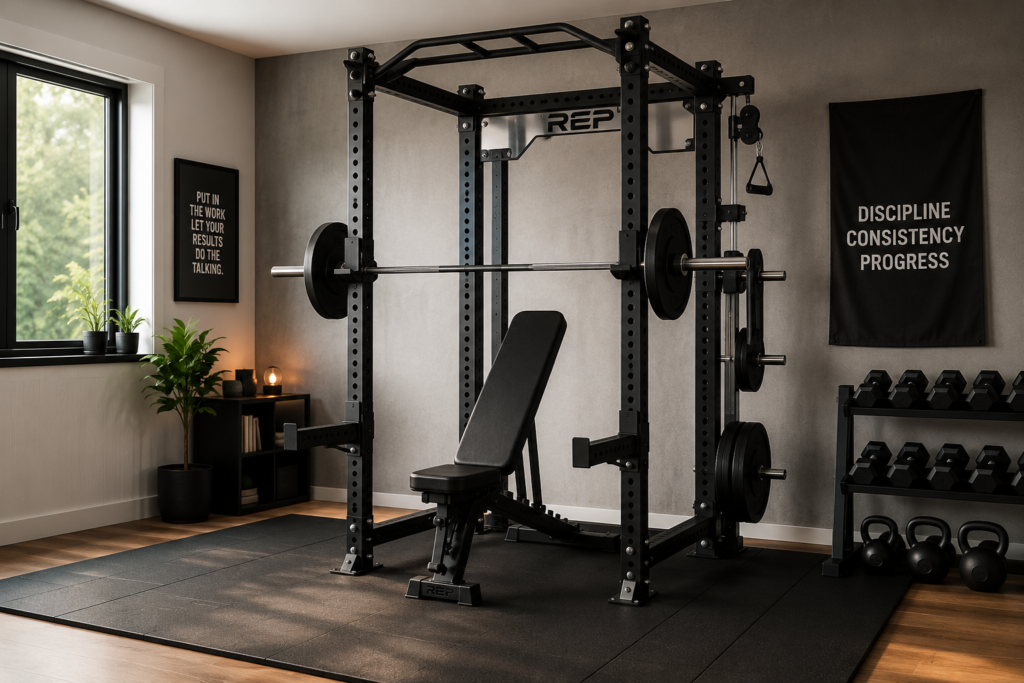
Best Power Racks for Home Gyms (2026)
Compare the best power racks to find the perfect model for your home gym, training style, and budget.