
Why Can You Lose Muscle While Losing Weight?
Lose Body Fat While Keeping the Muscle You’ve Built.
Losing weight and losing fat aren’t exactly the same thing.
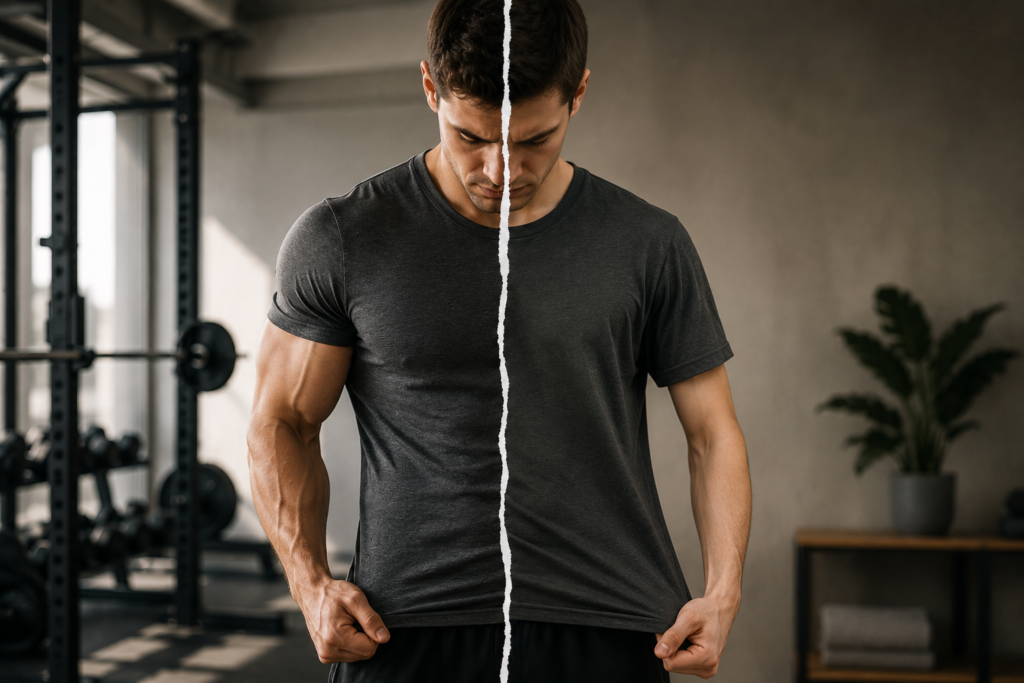
When you’re in a calorie deficit, your goal shouldn’t simply be to make the number on the scale decrease. Ideally, you want most of your weight loss to come from body fat while preserving as much muscle as possible.
With a moderate calorie deficit, sufficient protein, consistent resistance training and adequate recovery, you can create an effective fat-loss plan while giving your body a strong reason to maintain muscle.
In this guide, you’ll learn how to structure your nutrition and training to lose fat without sacrificing the muscle you’ve worked to build.
Why Can You Lose Muscle While Losing Weight?
When you lose weight, the number on the scale doesn’t tell you exactly what you’re losing. Changes in body weight can come from body fat, muscle, water, glycogen and digestive contents.
During a calorie deficit, your body receives less energy than it needs to maintain its current weight. Stored body fat can provide much of that missing energy, but lean tissue can also be affected—especially when nutrition and training aren’t structured to support muscle retention.
What Increases the Risk of Muscle Loss?
Several factors can make preserving muscle during fat loss more difficult:
An Excessive Calorie Deficit
Cutting calories too aggressively can make it harder to maintain muscle, energy and training performance.
Insufficient Protein
Too little protein can make it more difficult to maintain and repair muscle tissue during a calorie deficit.
No Resistance Training
Without regular strength training, your body receives less stimulus to maintain the muscle you already have.
Rapid Weight Loss
Losing weight too quickly can increase the likelihood of losing lean mass alongside body fat.
Poor Recovery
Inadequate sleep and excessive training stress can make maintaining muscle and performance more challenging.
The Goal Is to Preserve Lean Mass
Some changes in water, glycogen and other components of body weight are completely normal during a diet.
The goal isn’t to ensure that 100% of every kilogram lost comes from body fat. Instead, you want to create conditions that favor fat loss while minimizing unnecessary muscle loss.
The foundation is straightforward:
Moderate Calorie Deficit + Sufficient Protein + Strength Training + Recovery
These four principles will guide the rest of this article.
Quick Takeaway
Weight loss isn’t automatically fat loss. Structure your calorie deficit, protein intake, training and recovery to lose body fat while preserving as much muscle as possible.
Use a Moderate Calorie Deficit
A calorie deficit is necessary for fat loss, but making that deficit as large as possible isn’t the goal.
When preserving muscle is a priority, a moderate calorie deficit is generally preferable to aggressive calorie restriction. It allows you to lose body fat while still providing enough energy to support training, recovery and adequate nutrition.
How Large Should Your Calorie Deficit Be?
For many people, starting around 10–20% below maintenance calories provides a practical range.
For example, if your estimated maintenance intake is 2,500 calories per day:
| Maintenance: | 2,500 calories |
| 10% deficit: | 2,250 calories |
| 15% deficit: | 2,125 calories |
| 20% deficit: | 2,000 calories |
You don’t need to choose the largest deficit. A smaller deficit may produce slower weight loss, but it can make maintaining strength, energy and muscle easier.
Aim for a Sustainable Rate of Weight Loss
A useful general target during a fat-loss phase is approximately 0.5–1% of body weight per week.
People who are already relatively lean may benefit from aiming toward the slower end of this range, as preserving muscle becomes increasingly important.
Remember that scale weight can fluctuate because of water, glycogen, sodium and digestion. Focus on your average weight trend over several weeks rather than individual weigh-ins.
Avoid Chasing Faster Results
If your current calorie target is producing steady fat loss, there is usually no reason to reduce calories further.
An unnecessarily aggressive deficit can make it harder to:
- Maintain training performance
- Consume enough protein and nutrients
- Manage hunger
- Recover between workouts
- Preserve lean mass
The goal isn’t to lose weight as quickly as possible. It’s to lose body fat while maintaining as much muscle and performance as possible.
Calculate Your Starting Point
Not sure where to begin? Use the Nostrex Calorie Calculator to estimate your maintenance calories and get a goal-based daily calorie target.
Quick Takeaway
Start with a moderate calorie deficit that produces steady progress while allowing you to maintain your strength, protein intake and recovery.
Eat Enough Protein to Preserve Muscle
Protein is one of the most important nutrients to prioritize when your goal is to lose body fat while maintaining muscle.
During a calorie deficit, you’re consuming less energy than your body needs to maintain its current weight. Eating sufficient protein helps provide the amino acids needed to maintain and repair muscle tissue, especially when combined with regular resistance training.
How Much Protein Do You Need?
For active people during a fat-loss phase, a practical target is approximately 1.6–2.2 grams of protein per kilogram of body weight per day.
For example:
70 kg (154 lb): 112–154 g protein
80 kg (176 lb): 128–176 g protein
90 kg (198 lb): 144–198 g protein
100 kg (220 lb): 160–220 g protein
You don’t necessarily need to aim for the highest end of the range. Your overall calorie intake, training and individual preferences should also be considered.
Spread Protein Across Your Day
Instead of consuming most of your protein in one meal, distribute it across several meals throughout the day.
For example, someone targeting around 160 g of protein per day could structure their intake like this:
Breakfast: 35–40 g
Lunch: 40–45 g
Snack: 25–30 g
Dinner: 45–50 g
This isn’t a strict requirement, but it can make your daily protein target easier to reach while providing regular servings of protein throughout the day.
Choose High-Quality Protein Sources
Build your meals around protein-rich foods such as:
- Chicken and turkey
- Lean beef
- Fish and seafood
- Eggs
- Greek yogurt
- Cottage cheese
- Tofu and tempeh
- Beans and lentils
Choosing relatively lean protein sources can be especially useful during fat loss because they allow you to consume plenty of protein without using too much of your daily calorie budget.
Protein Can Also Help With Hunger
Protein isn’t only useful for maintaining muscle. It can also help make meals more satisfying, which may make your calorie deficit easier to maintain.
Combining protein with vegetables, fruits, whole grains and other fiber-rich foods can help you create larger, more filling meals while keeping calories under control.
Explore High-Protein Nutrition
Need practical ways to increase your protein intake? Explore our High-Protein Nutrition Guides for protein-rich foods, breakfast ideas and meal-prep strategies.
Quick Takeaway
Aim for sufficient daily protein and combine it with resistance training to support muscle retention while losing body fat.
Keep Strength Training During Fat Loss
Strength training is one of the most important tools for preserving muscle during a calorie deficit.
When calories are reduced, regular resistance training provides a strong stimulus for your body to maintain the muscle and strength you already have. Instead of completely changing your training because you’re dieting, focus on maintaining productive strength work throughout your fat-loss phase.
Keep Training With Challenging Weights
A common mistake during fat loss is switching from challenging resistance training to very light weights and high repetitions in an attempt to “burn” or “define” muscle.
You don’t need a special fat-loss style of strength training.
Continue using loads that challenge your muscles and aim to maintain your performance on your main exercises as much as possible.
Focus on Maintaining Strength
You don’t necessarily need to set new personal records while dieting.
Instead, maintaining your strength can be a useful indicator that your training stimulus remains effective.
Track key exercises and try to maintain:
- Training loads
- Repetitions
- Exercise technique
- Effort and intensity
- Overall performance
Some decline in performance can occur during a prolonged calorie deficit, but a rapid or substantial decrease may be a sign that your deficit, recovery or training volume needs attention.
Don’t Add Excessive Training Volume
More training isn’t automatically better during fat loss.
Because you’re consuming fewer calories, your ability to recover may be somewhat reduced. Dramatically increasing training volume while simultaneously reducing calories can make recovery more difficult.
Keep enough training volume to provide an effective muscle-retention stimulus, but avoid adding unnecessary work simply to burn more calories.
Prioritize Resistance Training Over Burning Calories
The primary purpose of your strength workouts during fat loss should be to stimulate and preserve muscle, not to maximize calorie expenditure.
Daily movement, walking and cardio can contribute additional energy expenditure without turning every strength session into a calorie-burning workout.
Think of the roles separately:
Nutrition → Creates the calorie deficit
Strength training → Helps preserve muscle
Daily activity & cardio → Support energy expenditure
Continue Using Progressive Training
You can still make progress during a calorie deficit, particularly if you’re relatively new to resistance training.
Continue trying to improve your training when possible, whether that’s through additional repetitions, better technique or gradually increasing resistance.
For more experienced lifters, simply maintaining most of your existing strength and performance while losing body fat can be a successful outcome.
Quick Takeaway
Keep lifting challenging weights during fat loss. Focus on maintaining strength and muscle rather than turning your workouts into calorie-burning sessions.
Use Cardio Without Compromising Muscle
Cardio can be a useful addition to a fat-loss plan, but you don’t need to turn every week into an endurance program.
The goal is to use cardio to support energy expenditure, cardiovascular fitness and overall health without adding so much training that it interferes with your strength workouts or recovery.
Start With Daily Movement
Before adding multiple intense cardio sessions, consider increasing your everyday activity.
Walking is one of the simplest ways to increase energy expenditure because it’s easy to perform, requires little recovery and can be incorporated into your normal routine.
Simple options include:
- Taking a daily walk
- Walking during lunch breaks
- Using stairs more often
- Walking short distances instead of driving
- Adding steps throughout your workday
These small amounts of movement can accumulate significantly across the week.
Choose Cardio You Can Recover From
You don’t need extremely intense cardio to support fat loss.
Walking, cycling, incline treadmill walking and other forms of moderate-intensity cardio can increase activity while generally creating less fatigue than frequent high-intensity sessions.
Higher-intensity cardio can still have a place in your program, but more isn’t necessarily better when muscle retention and strength performance are priorities.
Balance Cardio and Strength Training
Your cardio shouldn’t consistently leave you too fatigued to perform well during resistance training.
If possible, organize your training so demanding cardio sessions don’t interfere with important strength workouts—particularly lower-body training.
Pay attention to:
Strength performance
Are your main lifts declining significantly?
Recovery
Are you constantly sore or fatigued?
Energy levels
Do you feel recovered enough for your next workout?
If cardio begins negatively affecting these areas, reducing its frequency, duration or intensity may be more productive than simply pushing through.
Don’t Use Cardio to Compensate for Overeating
Trying to “burn off” every high-calorie meal with additional exercise can create an unnecessarily difficult cycle.
Instead, establish your calorie deficit primarily through a manageable nutrition strategy and use cardio as a supporting tool rather than punishment or compensation.
Increase Activity Gradually
You don’t need to start with hours of cardio each week.
Begin with an amount you can comfortably maintain and increase activity only when necessary. This gives you room to make adjustments later if your fat-loss progress slows.
For many people, increasing daily walking is a simple first step before adding more structured cardio.
Quick Takeaway
Use walking and manageable amounts of cardio to support your calorie deficit without allowing excessive training fatigue to compromise strength and recovery.
Prioritize Sleep and Recovery
Fat loss isn’t only about calories, protein and training. Your ability to recover also matters when you’re trying to maintain muscle in a calorie deficit.
Because you’re consuming less energy than usual, managing sleep, training fatigue and overall recovery becomes especially important during a prolonged fat-loss phase.
Get Enough Sleep
Sleep supports recovery from training and helps you maintain consistent performance in the gym.
For most adults, aiming for around 7–9 hours of sleep per night is a practical target.
Try to improve sleep consistency by:
- Going to bed at similar times
- Keeping a regular wake-up schedule
- Creating a dark and comfortable sleep environment
- Limiting unnecessary screen time before bed
- Avoiding large amounts of caffeine late in the day
You don’t need a perfect sleep routine, but consistently getting too little sleep can make a calorie deficit harder to manage.
Give Your Muscles Time to Recover
Training provides the stimulus your muscles need, but recovery allows your body to adapt to that stimulus.
Avoid training the same muscle groups intensely every day. Structure your workouts so that you have enough recovery between demanding sessions.
More training isn’t automatically more effective—especially when calories are reduced.
Manage Training Fatigue
Some fatigue is normal during a fat-loss phase, particularly as you become leaner or remain in a deficit for longer.
However, persistent fatigue combined with declining strength, poor workouts and inadequate recovery may indicate that your overall approach is too demanding.
Before adding more exercise, consider whether you actually need more training or better recovery.
Watch for Signs You May Need to Adjust
Pay attention to trends rather than one difficult day or workout.
Possible signs that your current approach deserves another look include:
- Consistently declining gym performance
- Persistent fatigue
- Difficulty recovering between workouts
- Increasing hunger that becomes difficult to manage
- Poor sleep quality
- Loss of motivation to train
These signs don’t automatically mean your calorie deficit is too large, but they can help you identify when your nutrition, training or recovery needs adjustment.
Don’t Try to Maximize Everything at Once
A fat-loss phase isn’t necessarily the best time to simultaneously maximize weight loss, cardio volume and strength-training volume.
Your primary goal is to lose body fat while maintaining muscle and performance.
Keep your calorie deficit manageable, continue productive resistance training and allow enough recovery to perform consistently.
Quick Takeaway
Prioritize consistent sleep and adequate recovery so you can maintain training performance and support muscle retention throughout your fat-loss phase.
Common Mistakes That Can Lead to Muscle Loss
Even with a well-planned fat-loss diet, a few common mistakes can make preserving muscle more difficult. Most come from trying to accelerate progress too aggressively.
Cutting Calories Too Aggressively
A very large calorie deficit may produce faster weight loss, but it can also make maintaining muscle, strength and training performance more difficult.
Start with a moderate deficit and only make adjustments when your progress actually requires them.
Eating Too Little Protein
Reducing calories without paying attention to protein intake can make muscle retention more challenging.
Keep protein a priority throughout your fat-loss phase and build your meals around consistent, high-quality protein sources.
Replacing Strength Training With Cardio
Increasing cardio while dramatically reducing resistance training removes an important stimulus for maintaining muscle.
Use cardio to support your fat-loss plan, but continue challenging your muscles through regular strength training.
Increasing Training Volume Too Much
More exercise isn’t always better.
Combining a calorie deficit with substantially more strength training and cardio can increase fatigue and make recovery more difficult. Maintain productive training rather than trying to maximize calorie expenditure through exercise.
Trying to Lose Weight Too Quickly
Rapid changes on the scale can feel motivating, but the goal isn’t simply to lose as much body weight as possible.
Aim for steady, sustainable fat loss while monitoring your strength, energy and overall training performance.
Quick Takeaway
Avoid extreme calorie restriction, insufficient protein and excessive training. A moderate, consistent approach gives you a better foundation for losing fat while preserving muscle.
Frequently Asked Questions
Final Thoughts
Losing fat without losing muscle isn’t about finding a special diet or training method. It comes down to creating the right conditions for your body to use stored energy while maintaining the muscle you’ve built.
Start with a moderate calorie deficit, eat enough protein and continue challenging your muscles through regular strength training. Use cardio and daily movement as supporting tools, and make sleep and recovery part of your overall strategy.
Most importantly, don’t rush the process. Faster weight loss isn’t automatically better when muscle retention, performance and long-term results are priorities.
Focus on steady progress and adjust your approach based on how your body weight, strength and overall recovery respond over time.
Ready to Start Your Fat-Loss Phase?
Use the Nostrex Calorie Calculator to estimate your maintenance calories and get a personalized calorie target based on your body, activity level and goal.
Related Guides
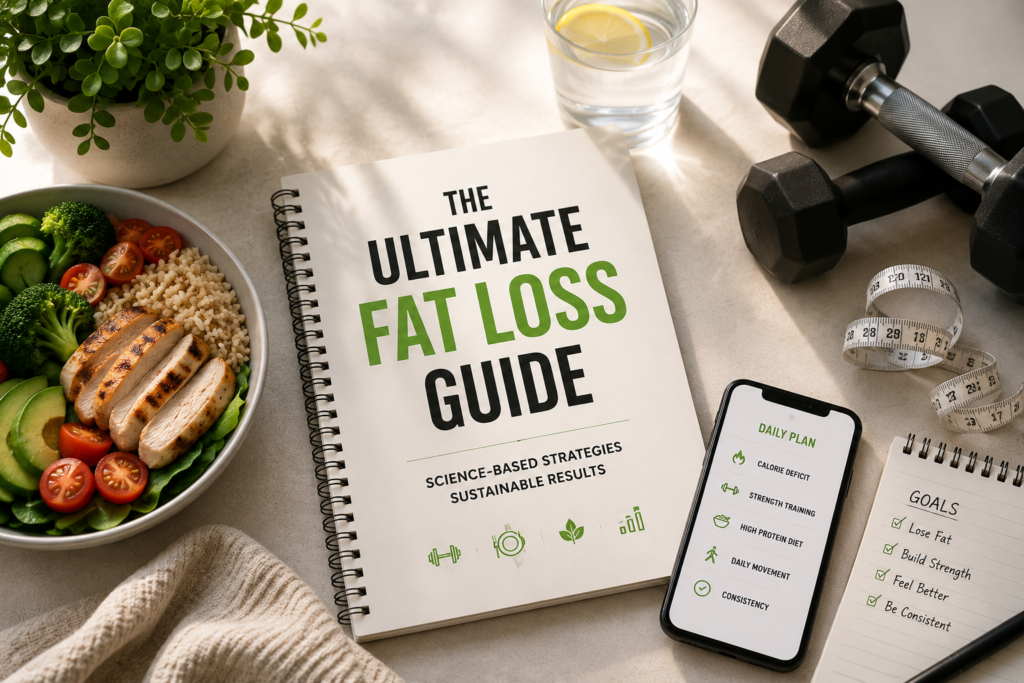
The Ultimate Fat Loss Guide
Learn practical fat loss strategies to lose body fat, preserve muscle and reach your fitness goals.
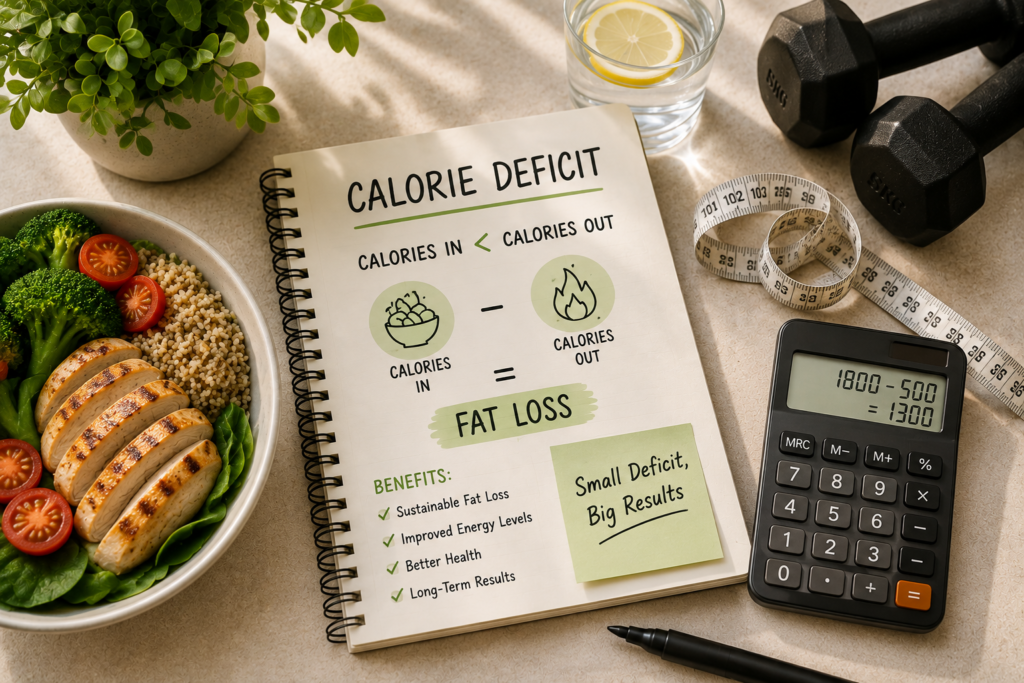
How to Create a Calorie Deficit for Fat Loss
Learn how to create a calorie deficit, lose body fat, preserve muscle and reach your fitness goals.